
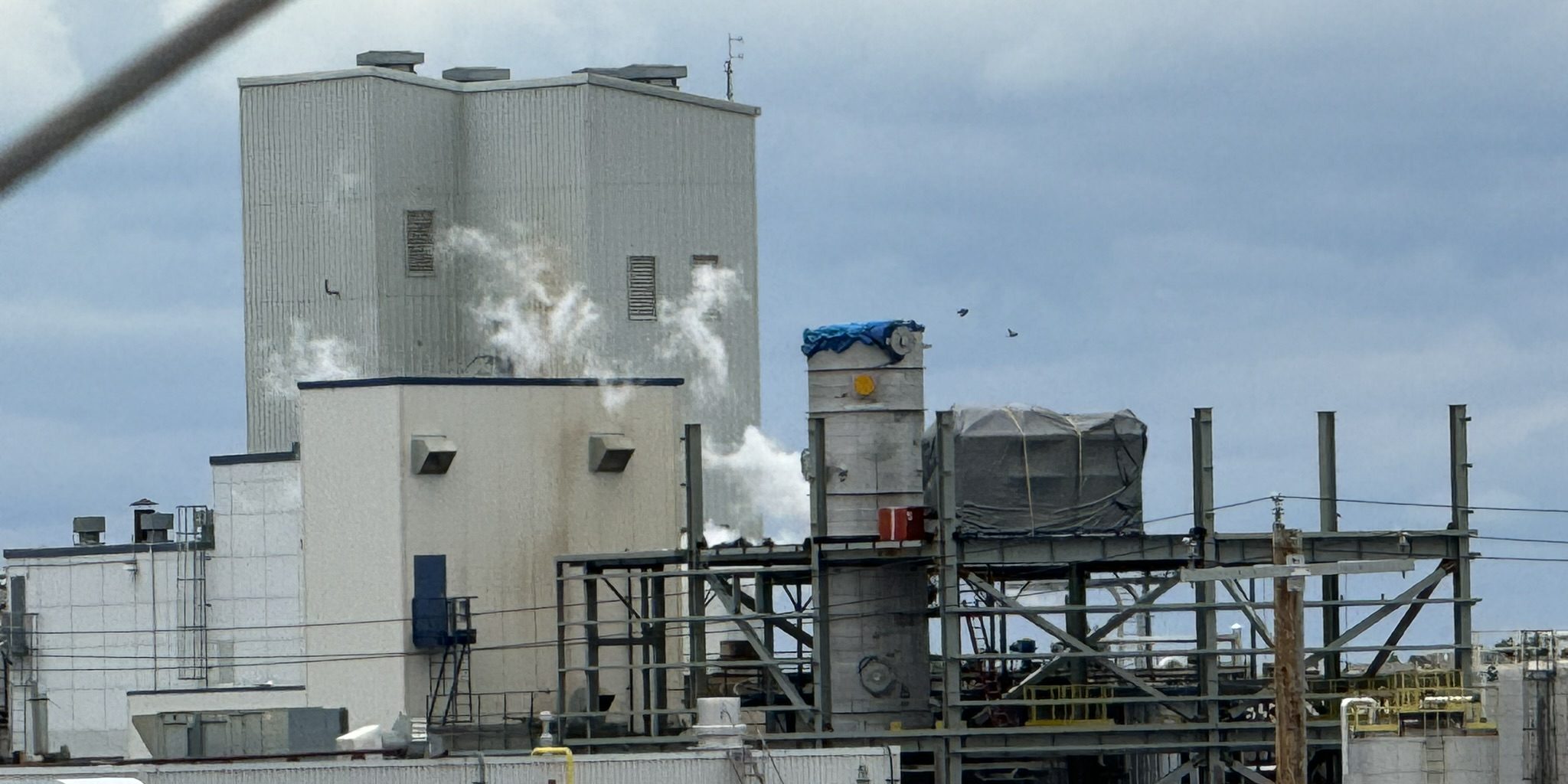
Workplace Fire Safety: Are You Prepared Before an Emergency Happens?
A workplace fire can happen quickly and can have serious consequences for employees, visitors, equipment, and the business itself. While fire safety is often associated with fire extinguishers and emergency exits, effective fire prevention involves much more.
A strong fire safety program focuses on preventing fires, identifying hazards, preparing employees, and making sure everyone knows what to do if a fire occurs.
Start with Fire Prevention
The best way to deal with a workplace fire is to prevent it from happening in the first place.
Common workplace fire hazards can include:
- Electrical equipment and damaged wiring
- Overloaded electrical outlets or extension cords
- Flammable liquids and combustible materials
- Improper storage of chemicals
- Hot work such as welding, cutting, and grinding
- Poor housekeeping
- Heating equipment
- Smoking materials
- Equipment that generates excessive heat
Regular workplace inspections can help identify these hazards before they become a serious problem.
Keep Work Areas Clean and Organized
Good housekeeping plays an important role in fire prevention.
Combustible materials should not be allowed to accumulate unnecessarily, particularly around electrical equipment, heating sources, machinery, and work areas where sparks or heat may be present.
Waste materials, cardboard, packaging, oily rags, and other combustible items should be stored and disposed of appropriately.
A clean and organized workplace not only reduces fire hazards but can also make it easier for employees to evacuate during an emergency.
Make Sure Fire Extinguishers Are Accessible
Fire extinguishers can be an important part of a workplace fire protection program, but simply having extinguishers installed is not enough.
Employees should know:
- Where the fire extinguishers are located
- Which types of fires they are intended for
- How to access them
- When it is appropriate to use one
- When they should evacuate instead
Fire extinguishers should remain accessible and should not be blocked by equipment, materials, or stored items. They should also be inspected and maintained as required.
Employees should never put themselves at risk trying to fight a fire. If a fire is growing, producing significant smoke, or cannot be safely controlled, the priority should be to evacuate and contact emergency services.
Keep Emergency Exits Clear
During a fire, every second can matter.
Emergency exits, exit routes, stairways, and access to doors should remain clear and unobstructed. Employees should know their designated evacuation routes and where to assemble after leaving the building.
Emergency lighting and exit signs should also be maintained as required so people can safely find their way out if normal lighting is unavailable.
Have an Emergency Plan
A workplace should have a clear emergency response plan that explains what employees are expected to do in the event of a fire.
Depending on the workplace, the plan may address:
- How to report a fire
- How employees will be alerted
- Evacuation procedures
- Emergency exit routes
- Assembly areas
- Responsibilities of supervisors and designated employees
- Procedures for accounting for employees and visitors
- Assistance for people who may require additional support
- Communication with emergency services
A plan is only useful if employees understand it.
Training and Practice Matter
Employees should receive appropriate fire safety and emergency response information as part of their workplace training.
Emergency drills can also help identify problems before a real emergency occurs. For example, a drill may reveal that an exit is blocked, employees are unsure where to assemble, or supervisors do not have a reliable way to account for everyone.
The goal isn’t simply to complete a drill. The goal is to learn from it and improve the emergency response plan.
Don’t Overlook Fire Prevention During Hot Work
Activities such as welding, cutting, brazing, and grinding can introduce significant ignition sources into a workplace.
Hot work should be properly planned and controlled. Depending on the circumstances, this may involve identifying combustible materials, establishing appropriate controls, inspecting the area, and maintaining fire watch procedures.
The specific precautions should be appropriate for the work being performed and the hazards present.
Fire Safety Is Everyone’s Responsibility
Fire safety should not be the responsibility of one person or department alone.
Management needs to provide the resources and systems necessary to manage fire hazards. Supervisors need to ensure procedures are followed. Workers need to identify hazards, follow established procedures, and report concerns.
Everyone should know what to do if they discover a fire.
Be Prepared Before You Need to Be
A fire emergency is not the time to figure out what to do.
Taking the time to identify fire hazards, maintain equipment, keep exits clear, train employees, and practice emergency procedures can help create a safer workplace and improve emergency preparedness.
Fire safety isn’t just about responding to a fire. It’s about preventing one, preparing for one, and making sure everyone knows how to get to safety.