
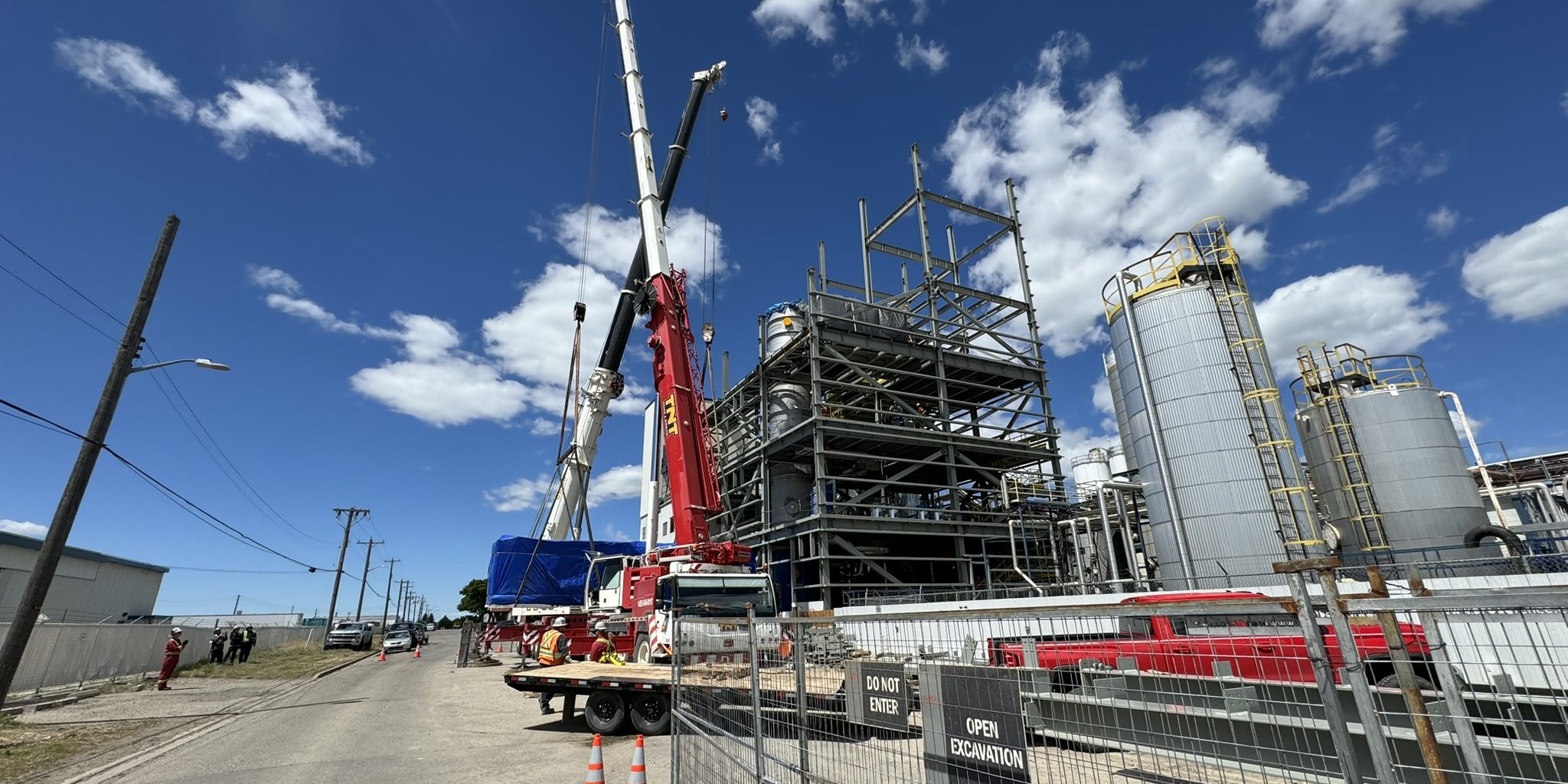
Why Workplace Health and Safety Matters: Building a Safer Workplace
Workplace health and safety is more than following regulations or checking boxes on a compliance list. It is about creating a workplace where people can do their jobs safely, confidently, and effectively—and where everyone understands their role in preventing injuries and incidents.
Whether you operate a construction site, manufacturing facility, office, or industrial workplace, effective health and safety should be part of everyday operations.
Safety Starts with Leadership
A strong safety culture starts at the top. When owners, managers, and supervisors demonstrate that safety is a priority, employees are more likely to take it seriously as well.
This doesn’t mean simply having a safety policy posted on a wall. Leadership needs to demonstrate safety through everyday decisions, communication, training, and actions.
When employees see that safety concerns are listened to and addressed, they are more likely to speak up when they identify a hazard.
Identify Hazards Before They Cause Harm
One of the most important parts of workplace safety is identifying hazards before an incident occurs.
Hazards can include:
- Moving equipment and machinery
- Electrical hazards
- Slips, trips, and falls
- Hazardous chemicals and materials
- Working at heights
- Vehicle and mobile equipment traffic
- Poor ergonomics
- Noise and other workplace exposures
- Inadequate housekeeping
- Environmental conditions
Regular hazard assessments help organizations understand what could go wrong and determine what controls are needed to reduce the risk.
Training Is an Ongoing Process
Effective safety training isn’t something that should happen only when an employee is first hired.
Workers need to understand the hazards associated with their jobs, the procedures they are expected to follow, and how to properly use equipment and personal protective equipment.
Refresher training, toolbox talks, site-specific orientations, and ongoing communication can help keep safety requirements fresh and relevant.
Most importantly, training should be practical. Employees should be able to understand how the information applies to the work they actually perform.
A Safety Program Should Work in the Real World
A health and safety program can look excellent on paper but still fail if employees cannot realistically use it.
Procedures should be clear, practical, and appropriate for the workplace. Too much paperwork or complicated processes can make safety feel like an administrative burden rather than a useful tool.
A good safety system should help supervisors and workers answer questions such as:
What are the hazards?
How do we control them?
Who is responsible?
What do we do if something goes wrong?
When safety processes are simple and practical, they are more likely to become part of everyday work.
Encourage Employees to Speak Up
Employees are often the people closest to the hazards. They may notice unsafe conditions or potential problems before anyone else does.
Creating an environment where employees feel comfortable reporting hazards, near misses, and safety concerns can provide valuable information for preventing future incidents.
Safety should be viewed as a shared responsibility. Everyone has a role to play, from management and supervisors to workers and contractors.
Continuous Improvement Matters
Workplace safety is not a one-time project. Workplaces change, equipment changes, employees change, and new hazards can develop.
Regularly reviewing your safety program can help identify areas that need improvement.
Ask yourself:
- Are our safety procedures still relevant?
- Are employees following the procedures?
- Are supervisors comfortable addressing safety concerns?
- Are incidents and near misses being investigated?
- Are corrective actions actually being completed?
- Do employees understand their responsibilities?
These questions can help organizations move beyond simply being compliant and toward building a stronger safety culture.
Safety Is About People
At the end of the day, workplace health and safety is about protecting people.
A successful safety program should not exist simply to satisfy a regulatory requirement. It should help workers go home safely at the end of every shift while allowing the business to operate efficiently and responsibly.
The most effective safety programs are practical, understood by the people who use them, and continuously improved as the workplace changes.
Safety isn’t just a document. It’s how we work.